
The Great Pumpkin Debate
⏰ Responsible Ownership Also Means Planning for the Days You’re Busy
Here’s one we think deserves much more attention.
You can absolutely love your dog and still have a busy life.
Maybe you:
- work long hours
- commute
- work shifts
- have children
- travel for work
- have appointments
- have an unpredictable schedule
Your dog doesn’t understand your calendar.
They just know when they’re hungry, when they need to go outside, when they need exercise and when they need companionship.
That doesn’t mean you should feel guilty for having a life.
It means you may need a plan.
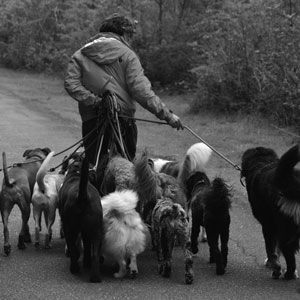
For one dog, that might mean a midday potty break.
For another, it might mean a regular walk.
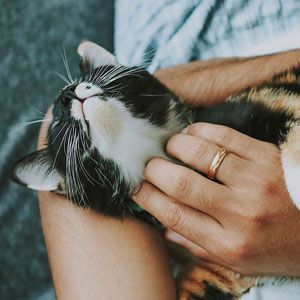
For a cat, it could mean arranging someone to provide food, fresh water, litter care, medication when required and some companionship while you’re away.
Responsible pet ownership isn’t:
“I must do everything myself.”
It’s:
“I need to make sure my pet’s needs are met.”
🐾 This Is Where Our Role Comes In
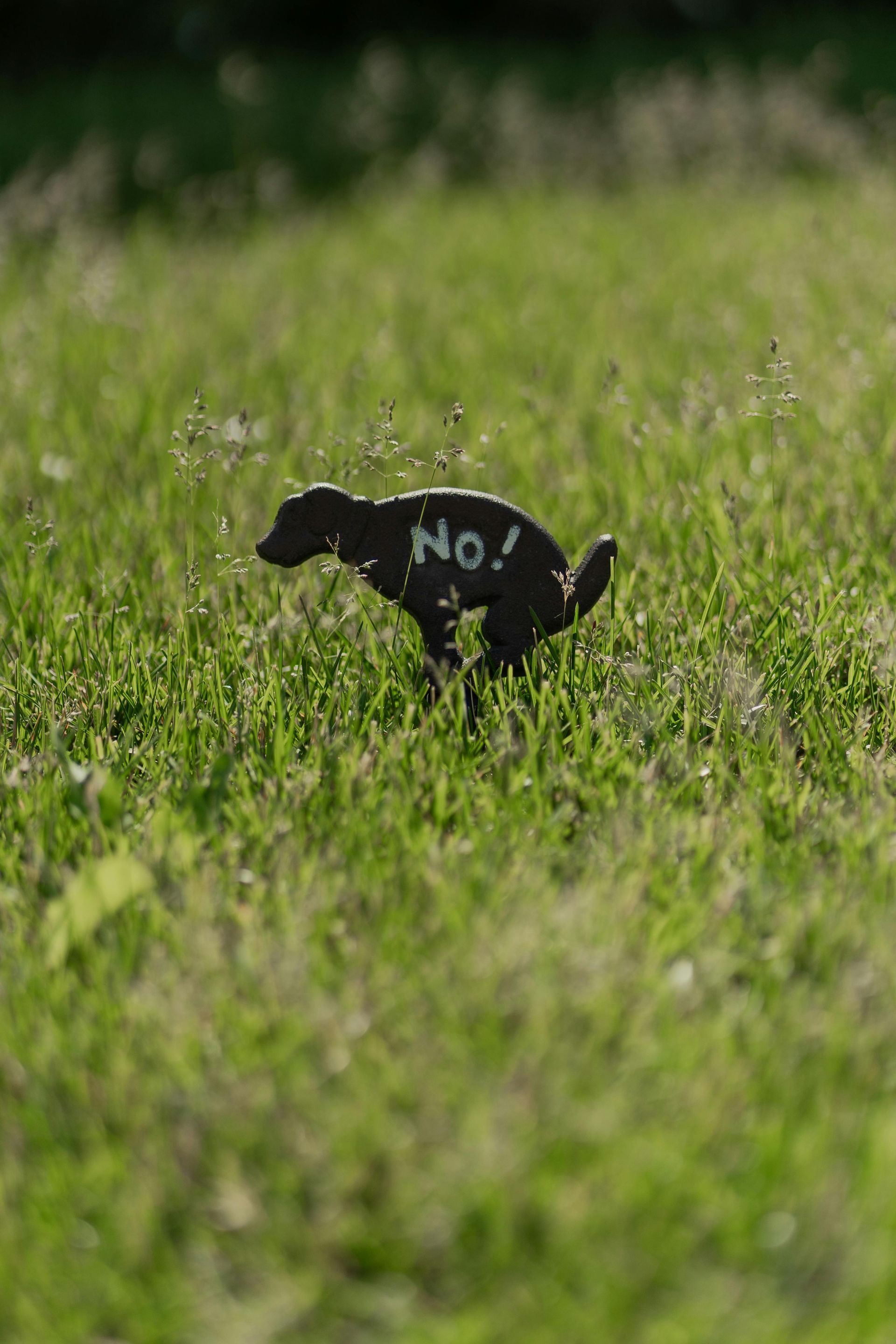
💩 Every Walk Comes With a Responsibility
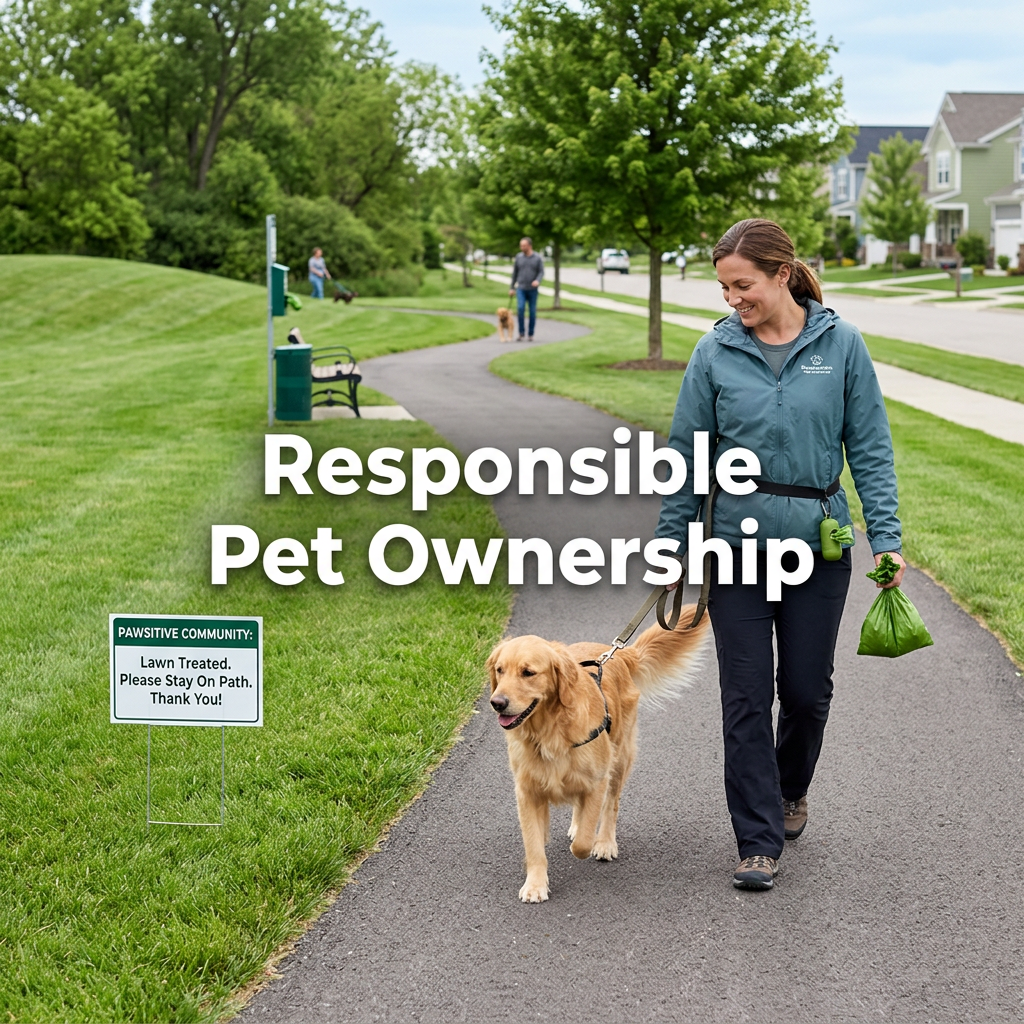
We appreciate the work that Abbotsford Parks, Recreation & Culture puts into supporting our community’s parks and trails, including providing dog-waste bag dispensers in many areas.
Those dispensers make it easier for everyone to do the right thing when they’re out enjoying the community.
But responsible dog ownership doesn’t stop at having access to a bag.
- We pick it up.
- We carry it out.
- We put it where it belongs.
It’s a small action, but multiplied by thousands of dogs using our parks and trails, it makes a very real difference.
And this isn’t just something we ask of our clients.
It’s part of our team onboarding, training and company expectations.
Because when we’re representing Paw’ty Waggin’ in the community, we’re responsible for more than the dog on our leash.
We’re also responsible for the footprint we leave behind.
As a Métis-owned company, respecting the land we live and play on is part of how we want to show up in our community.
We want to leave you with this:
- Your dog doesn’t need a perfect human.
- Your cat doesn’t need a perfect human.
- They need a human who is willing to learn, plan, adapt and care.
- Responsible pet ownership isn’t about doing everything yourself.
- It’s about making sure your pet’s physical, emotional and social needs are considered throughout their life.
- Sometimes you’re the one providing that care.
- Sometimes you need a veterinarian.
- Sometimes you need a trainer or behaviour professional.
- Sometimes you need a pet-care professional.
- Sometimes you need your neighbour.
- Sometimes you need the community systems designed to help when things don’t go according to plan.
And that’s okay.
Being a responsible pet parent means knowing when you can do it yourself — and when it’s time to build your pet’s care team.
That’s not failure.
That’s planning.
That’s preparation.
And, quite frankly…
That’s responsible pet ownership. 🐾
We’ve included some Canadian and local resources for pet parents who want to learn more:
Canadian Kennel Club — Responsible Dog Ownership
Learn more about responsible dog ownership, choosing a dog that fits your lifestyle and the long-term commitment involved.
https://www.ckc.ca/en/Raising-My-Dog/Responsible-Ownership
BC Pet Registry
Learn about microchipping, permanent identification and keeping your pet’s guardian information current.
https://bcpetregistry.ca/about-us-bc-pet-registry/ . Learn about the Grant Program.
Fraser Valley Regional District — Animal Control
Find local information about dog licensing, animal control and the CARE Centre.
https://www.fvrd.ca/EN/main/services/animal-control.html or
https://www.fvrd.ca/EN/main/parks-recreation/parks-trails.html
City of Abbotsford — Parks & Trails
Explore local trails, parks and expectations for responsible use with your pet.
https://www.abbotsford.ca/trails
City of Abbotsford — Dog Off-Leash Areas
Learn about designated off-leash areas and local requirements for keeping dogs under control.
https://www.abbotsford.ca/dog-off-leash
Canadian Pet Care Professionals — Code of Ethics
Learn more about the professional standards that guide our approach to animal welfare, safety, education and ethical pet care.
https://petcareprocanada.ca/code-of-ethics/
Because responsible pet ownership is a lifelong commitment — and there’s always something new to learn. 🐾
Can your dog or cat have pumpkin? Let’s separate the pumpkin from the pumpkin spice.
Every October, pumpkin seems to be everywhere. They’re on our doorstep, in our coffee,
baked into pies and sooner or later, someone wonders….
“ can I give some to my dog?”
The short answer is yes, plain pumpkin can be a perfectly reasonable occasional addition to a
Dog or cat’s diet.
But, and there’s always a butt when we’re talking about what goes into a pet bowl. What kind
of pumpkin we’re talking about matters.
That pumpkin on your porch isn’t the same thing as pumpkin pie filling, or your pumpkin spice
latte.
That’s definitely staying with you.
So let’s settle the great pumpkin debate.
First things first: pumpkin isn’t a magic cure.
Pumpkin contains a good amount of water and dietary fibre, along with nutrients such as
potassium and carotenoids that the body can use to produce vitamin A. It can be useful to add
a little fibre to a pets diet, and some veterinary nutrition resources use pumpkin as one
possible fibre source in certain dietary situations. (**Merck Veterinary Manual.)
that doesn’t make pumpkin a cure – all.
If your dog suddenly develops, diarrhea, becomes constipated, vomit, stops, eating, or
develops, ongoing digestive problems, adding pumpkin shouldn’t replace finding out why
they’re unwell.
A spoonful of pumpkin might be part of the conversation about diet. It isn’t a substitute for a veterinary assessment when there’s an actual health problem.
That’s an important distinction, particularly when digestive problems keep coming back.
So, what kind of pumpkin are we talking about?
This is where things get interesting.
Plain pumpkin
Plain, cooked pumpkin or 100% pumpkin purée with no added ingredients can be a
reasonable treat or food topper for many healthy dogs and cats.
If you’re buying canned pumpkin, check the label. You want pumpkin.
Not pumpkin pie filling.
Not pumpkin dessert mix, and definitely not something loaded with sugar, spices, or other
ingredients that your pet doesn’t need.
Pumpkin pie filling – no.
Pumpkin and pie filling is made for people, not pets.
Depending on the product or recipe, it can contain added sugar, spices, and other ingredients
that aren’t appropriate for animals.
And once we’re talking about pumpkin pie itself, we’re adding things such as sugar and fat that provide very little benefit to your pet.
In other words:
Your dog or cat does not need a slice of your pumpkin pie
They’ll survive without it. We promise.
What about pumpkin spice?
This is where the pumpkin gets blamed for things it actually didn’t do.
Pumpkin itself isn’t the problem with most pumpkin – spiced human foods.
It’s the other ingredients
The BC SPCA notes that pumpkin – spice products can contain ingredients such as nutmeg,
cloves, caffeine, sugar, and high levels of fat. Some of these can be dangerous pets, while
others can cause illness when consumed and larger amounts. (* BC SPCA.).
So if your dog gives you the look while you’re enjoying your seasonal latte, feel free to admirethe look. Don’t share the latte.
What about fresh pumpkin?
Fresh pumpkin flesh isn’t inherited toxic to dogs or cats, but there are some practical safety
considerations.
The softer flesh is quite different from the hard outer minded, stem or large chunks that a petmight try to swallow.
Hard pieces can present, choking or obstruction risks, particularly if a pet is enthusiasticallyhelping themselves to a Halloween pumpkin. Veterinary guidance also recommends, avoiding old pumpkin that have become soft, moldy, or otherwise spoiled. (Texas.A&M. vet med-college of veterinary medicine and biomedical sciences).
So if you’re using fresh pumpkin,
Remove the hard rind and stem,
Avoid large, hard pieces;
Don’t offer pumpkin, that is moldy, rotten, or spoiled;
Keep an eye on your pet while they’re eating it; and
Remember that more isn’t better.
For every day feeding, plain cooked pumpkin or 100% canned pumpkin is generally much
easier to portion and serve.
Can pumpkin help with your dogs poop?
This is probably where much of the pumpkin reputation comes from.
Pumpkin contains fibre, and fibre can influence, stool, consistency, and intestinal function.
Veterinary references include pumpkin among dietary fibre sources that may be used in certain cases of constipation. (*Merck Veterinary Manual).
But digestive problems aren’t all the same.
Pumpkin isn’t a treatment for parasites, inflammatory, bowel disease, food, allergies, pancreatitis, or other underlying medical conditions.
If your dogs, bowel habits have suddenly changed, or the problem keeps happening, that’s a
talk to your veterinarian situation rather than a keep adding pumpkin situation.
And yes, too much fibre can cause digestive upsets as well.
Sometimes the answer to a dog’s tummy troubles isn’t another spoonful of something.
Rather sometimes it’s figuring out what’s actually going on.
What about cats?
Cats can have plain pumpkin too, but there’s an important difference.
Cats are obligate carnivores, meaning their nutritional needs are different from those of dogs.
Pumpkin should therefore remain a small addition rather than becoming a significant part of the cat’s diet. (*PetMD).
Some commercial cat foods include pumpkin or other fibre sources as part of their formulation, and plain pumpkin may be appropriate for some cats and small amounts.
Yet your cat doesn’t need a pumpkin – base diet just because it’s October.
And if your cat is experiencing constipation, diarrhea, vomiting, or other ongoing digestive problem, it is best to check with your veterinarian before trying to manage the problem yourself.
Cats are particularly good at convincing us that they’re perfectly fine right up until they’re not.
Does pumpkin help with weight management?
There’s a little truth behind this one, but it needs some context.
Pumpkin is high in water and relatively low in calories compared with many traditional treats. Some veterinary nutrition resources include a small amount of plain, canned pumpkin as one option for helping a dog feel fuller while managing food intake. (* Cornell Vet College. Obesity and weight management tips/Cornell University College of veterinarian medicine.)
But adding pumpkin on top of your pets, regular food isn’t automatically a weight loss strategy.
Those calories still count.
If your pet needs to lose weight, the overall diet, calorie intake, activity level, and health status matter much more than adding a spoonful of pumpkin to dinner.
Your veterinarian can help you build a proper weight management plan if your pet needs one.
A little goes a long way:
Pumpkin should be treated as an addition to a balanced diet, not a replacement for one.
How much is appropriate depends on the individual animal, their size, their diet and why you’re feeding it in the first place. There isn’t one magic pump conserving size that works for every dog and cat.
That’s one reason we’re deliberately not giving you a 1 tablespoon per X kilograms remedy
here.
A healthy, great Dane and a tiny senior cat have rather different ideas about what constitutes” a little”.
If you’re introducing pumpkin for the first time, start with a small amount and see how your pet responds. Not meaning whether they eat it or not, but let’s see how it affects them in taking output.
And if your pet is already eating a complete balanced diet, pumpkin doesn’t need to become a
daily requirement simply because the Internet says it is good for them.
The great pumpkin checklist:
Choose:
✔ Plain cooked pumpkin
✔ 100% pumpkin purée with no added ingredients
✔ Small amounts appropriate for your individual pet
✔ Fresh pumpkin that is clean and free from mold or spoilage
Skip:
❌ Pumpkin pie filling
❌ Pumpkin pie and other rich baked goods
❌ Pumpkin – spiced drinks.
❌ Products containing potentially harmful ingredients.
❌ Moldy, rotten or spoiled pumpkins
❌ Large pieces of rind or stem
❌ Making pumpkin a substitute for your pets, regular balanced diet.
So, what’s the verdict?
The great pumpkin debate isn’t really much of a debate after all.
Plain pumpkin can be a safe, fibre containing treat or food edition for many dogs and cats
when offered appropriately and in moderation
But pumpkin isn’t a miracle food, and it isn’t veterinarian treatment.
If your pet enjoys a little plain pumpkin here and there, great.
If they turn their nose up at it, that’s fine too.
There are plenty of perfectly respectable ways for your pet to celebrate fall without joining thepumpkin craze.
And honestly, we’re pretty sure most dogs would prefer to walk.
Warm Wags from your local, Paw’ty Waggin pet care team.
A little special note from us:(disclaimer)
We love sharing practical pet care information with our Fraser Valley, pet parents, but we’re not veterinarians. This article is intended as general education information and isn’t a diagnosis or treatment plan for an individual animal.
If your pet has persistent or concern concerning digestive symptoms, changes an appetite, repeated vomiting, or diarrhea, constipation, or other health concern, speak with your vet veterinarian.
For BC pet owners, the college of veterinarians of British Columbia’s online registry can be
used to find and verify registered veterinarians and veterinarian facilities within the province.
A few editorial notes:
The sources I'd be comfortable considering for the published version include:
• BC SPCA — Fall toxins for your pet to avoid — particularly useful for the pumpkin spice/toxic-ingredient section.
• College of Veterinarians of BC — Online Registry — useful BC-specific resource for finding/verifying veterinary care.
• Merck Veterinary Manual — Constipation, Obstipation and Megacolon in Small Animals — a technical veterinary source supporting the fibre/pumpkin discussion.
• Texas A&M School of Veterinary Medicine — Pumpkin Safety for a Pet-Friendly Halloween — useful veterinary-reviewed material on fresh pumpkin, canned pumpkin, rind/stem, spoilage and moderation.
• Cornell University College of Veterinary Medicine — Obesity and Weight Management Tips — supports the limited weight-management discussion.