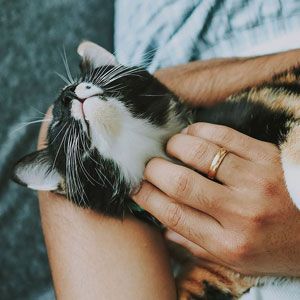
Recognizing the changes, protecting their comfort, and planning ahead for the ones who depend on us.
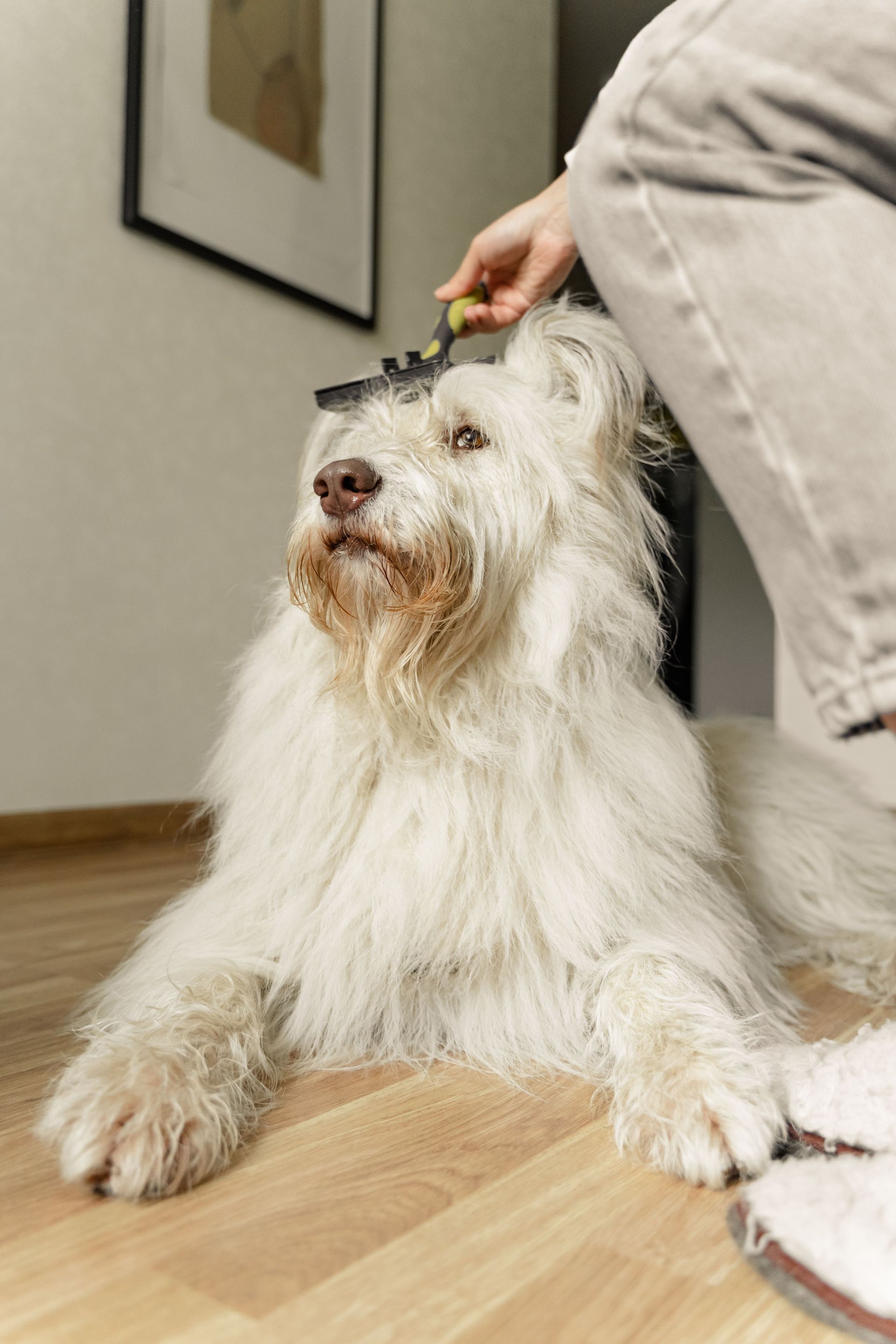
There comes a time when we begin to notice little changes in our pets. Their muzzles and the areas around their eyes start turning silver. They may take a little longer to get up from their favourite sleeping spots, hesitate before jumping into the vehicle, or spend more time curled up in their beds than they used to.
Sometimes the changes happen gradually, almost without us noticing. Other times, something suddenly seems different.
Growing older is a natural part of life, but that doesn't mean we should overlook the changes that come with it. Just as we adjust our own routines and surroundings as we age, our pets may need a little extra consideration, too.
The good news is that getting older doesn't automatically mean losing the things that make life enjoyable. With a little awareness, veterinary guidance and some practical adjustments, we can help our senior companions remain comfortable, engaged and included in the everyday moments they enjoy.
At Paw’ty Waggin’, we get to know the pets in our care, and that familiarity can be especially valuable as they get older. We notice their usual routines, their personalities, their walking pace and the little things that make them who they are. Sometimes, noticing a change is simply a matter of knowing what is normal for that particular pet.
Our goal is always to help alleviate pet parent guilt by supporting the animals in our care and helping their people stay informed. And as our pets grow older, that support can become even more important.
Recognizing the Signs of Aging
Not every pet ages in the same way or at the same rate. Breed, size, genetics, lifestyle and overall health can all influence when changes begin to appear. Some dogs may show signs of aging earlier than others, while cats can be particularly good at hiding discomfort or changes in their health.
A few changes are easy to recognize, while others can be much more subtle.
•
Physical changes
- Silvering around the muzzle and eyes.
- Changes in coat condition, skin or grooming habits.
- A little more stiffness when getting up after resting.
- Taking longer to climb stairs, jump onto furniture or get into a vehicle.
- Reduced stamina or a preference for shorter walks.
- Sleeping more or needing longer periods of rest.
Changes in hearing and vision
You may notice your pet doesn't respond to familiar sounds as quickly as they once did. They may not wake when someone enters the room or when fireworks are going off outside.
Changes in vision can also affect confidence. A pet who once moved confidently through the house may become hesitant in unfamiliar surroundings, have difficulty navigating in low light or startle more easily when approached.
These changes can sometimes be mistaken for stubbornness or a change in personality. In reality, your pet may simply be experiencing the world differently.
Changes in behaviour and cognition
Some senior pets become less interested in activities they previously enjoyed. Others may seem restless, confused or more dependent on their people.
•
Cognitive changes can include:
- Pacing or wandering without an obvious purpose.
- Becoming disoriented in familiar surroundings.
- Changes to sleeping patterns, including restlessness at night.
- Increased vocalization.
- Forgetting familiar routines.
- Changes in social interaction or responsiveness.
- Appearing unsettled or anxious for no obvious reason.
Cognitive dysfunction can occur in aging dogs and cats, but behavioural changes should never automatically be attributed to age. Pain, sensory changes, illness and other medical conditions can produce similar signs. A veterinary assessment is important when you notice something different.
Changes in eating, drinking and bathroom habits
Pay attention to changes in appetite, thirst, weight, urination and bowel movements. Increased thirst, changes in bathroom frequency, accidents in the house or unexplained weight loss can be signs of underlying health concerns.
These are not simply things we should expect because a pet is getting older. They are worth discussing with your veterinarian.
Familiarity Matters: The Value of Knowing Your Pet
One of the advantages of having a knowledgeable Canadian Pet Care Professional regularly involved in your pet's life is that they may notice changes in routine or behaviour that are not immediately obvious at home.
A dog who normally trots eagerly toward the door may begin walking more slowly. A pet who once enjoyed a full walk may start turning back sooner. A cat who usually greets their visitor may remain tucked away in a favourite hiding spot.
These observations don't replace veterinary examinations or allow a pet care professional to diagnose a medical condition. But they can be useful information to share with your veterinarian.
With Paw’ty Waggin’, we get to know the pets in our care as individuals. We become familiar with their personalities, habits, preferences and usual activity levels. That familiarity helps us recognize when something seems different and communicate those observations to their pet parents.
Sometimes, a small change is worth paying attention to.
Making Home More Comfortable
Aging doesn't always mean a complete change in lifestyle. Often, a few thoughtful adjustments can make everyday activities easier and help pets maintain their independence.
-Comfortable resting spaces
Senior pets may appreciate supportive beds that are easy to get into and out of. Keep favourite resting spots accessible and consider placing beds away from busy areas where pets can enjoy uninterrupted rest.
For pets who have difficulty getting up from hard flooring, a supportive bed with a little extra cushioning may help.
-Better traction underfoot
Slippery floors can be challenging for pets experiencing joint stiffness, weakness or reduced mobility. Area rugs, runners and non-slip mats can provide better traction along familiar routes.
Pay particular attention to hallways, entryways and areas around food and water bowls.
-Ramps and easier access
If your dog is having difficulty getting onto the couch, bed or into the vehicle, a ramp or set of pet steps may help. Choose an option that is stable, has good traction and is appropriate for your pet's size and mobility.
Avoid assuming that a pet who once jumped into the vehicle comfortably can continue doing so without difficulty.
-Stairs and household layout
If stairs are becoming challenging, consider whether your pet's essentials can be moved to one level of the home. Food, water, bedding and bathroom access should be convenient and safe.
For cats, consider a litter box with a lower entry point if climbing over a high edge has become difficult. Make sure it is easy to access and placed somewhere quiet.
-Food and water access
Keep food and water bowls in accessible locations. Some pets may benefit from slightly elevated bowls, depending on their posture and individual needs. Ask your veterinarian whether this would be suitable for your pet.
For cats, having multiple water sources around the home can encourage drinking and make water easier to access. More than one water source is always recommended for cats.
Keeping Them Moving, Comfortably
Exercise remains important as pets age, but the type, duration and intensity may need to change.
A senior dog who once enjoyed long adventures may now prefer shorter, more frequent outings. A slower walk with plenty of opportunities to sniff and explore can still provide physical activity and mental stimulation.
Watch for signs that your pet is becoming tired or uncomfortable. Limping, lagging behind, reluctance to continue, excessive panting or difficulty recovering after activity are all reasons to reassess what you're asking of them.
For some pets, several shorter outings may be more manageable than one longer walk.
Cats also benefit from movement and mental engagement. Gentle play, food puzzles and opportunities to explore at their own pace can help keep them active without putting unnecessary strain on their bodies.
The goal isn't to keep our senior pets doing everything they once did. It's to help them continue enjoying the activities that are appropriate for their changing abilities.
Pain Management: Don't Assume It's Just Old Age
One of the most important things we can do for an aging pet is recognize that slowing down doesn't necessarily mean they are simply getting old.
Arthritis and other sources of chronic pain can affect mobility, sleep, appetite, mood and overall quality of life. Some pets don't cry or visibly limp when they are uncomfortable. Instead, they may become quieter, less playful, reluctant to climb stairs or less interested in being handled.
Changes in behaviour can sometimes be a pet's way of communicating discomfort.
Veterinary medicine has a number of approaches to managing pain and supporting mobility. Depending on the individual animal, a veterinarian may discuss medication, joint-support strategies, rehabilitation, weight management or other treatment options.
Two examples pet parents may hear about are Cartrophen and Librela. They are different treatments that work in different ways and have different considerations. They are not suitable for every dog, and neither should be viewed as a universal solution.
We learned about administering subcutaneous injections while caring for our Japanese Chin, Chyna. Under veterinary guidance, we learned how to administer her Cartrophen injections before our professional pet care journey had even begun. It was one of the ways we supported her care as she aged.
Throughout our years in the pet care industry, some of our clients have also explored Librela with their veterinarians for their dogs.
These experiences have reinforced for us how important it is to understand the options available, ask questions and make decisions based on the individual pet rather than assuming one treatment is right for everyone.
If your veterinarian discusses a treatment such as Cartrophen or Librela, here are some questions worth asking:
- What are the potential benefits and risks for my dog's particular health situation?
- Are health checks or bloodwork recommended before starting?
- Could this treatment be a concern because of existing health conditions or other medications?
- What side effects should I watch for, and when should I contact the veterinary clinic?
- How will we know whether the treatment is helping?
- What happens if it doesn't work or my dog experiences side effects?
It's also important to understand that suspected adverse reactions can be reported to Health Canada, even when it isn't certain that a medication caused the reaction.
Health Canada's veterinary drug adverse reaction reporting program helps monitor the safety of veterinary medications after they have been approved. Reports can contribute to identifying possible safety concerns, recognizing patterns and informing further investigation or updates.
You can find information about reporting here:
[Health Canada – Veterinary Drug Adverse Reaction Reporting](https://www.canada.ca/en/health-canada/services/drugs-health-products/veterinary-drugs/adverse-reaction-reporting.html)
Never start, stop or change a medication or treatment without discussing it with your veterinarian.
Senior Wellness: Don't Wait for Something to Go Wrong
Preventative veterinary care becomes particularly important as pets get older.
A pet may appear to be doing quite well while underlying health changes are developing. Regular examinations give your veterinarian an opportunity to assess your pet's overall condition, discuss changes you've noticed and identify concerns that may not be obvious at home.
Depending on your pet's age, health and medical history, your veterinarian may recommend more frequent examinations, senior bloodwork, urine testing, blood pressure monitoring or other diagnostic assessments.
Senior blood panels can provide useful information about organ function and other health indicators. They may help identify changes that are not yet producing obvious symptoms.
The timing and type of testing should be determined with your veterinarian. There isn't one schedule that suits every senior pet.
It's also helpful to keep a little record of changes between appointments. Note changes in appetite, thirst, weight, mobility, sleep, behaviour and bathroom habits. Even small observations can help your veterinarian build a clearer picture of what's happening.
Local Veterinary Resources for Senior Pet Care
If you're in the Abbotsford and surrounding Fraser Valley area, several veterinary clinics provide wellness services that may be useful when caring for an aging companion.
The following clinics have information about wellness care, senior care or wellness programs on their websites. Services and eligibility can vary, so contact the clinic directly to discuss your pet's needs.
- Glenn Mountain Animal Hospital – Offers a dedicated senior wellness plan.
[https://glennmountainvet.ca/services/wellness-program/](https://glennmountainvet.ca/services/wellness-program/)
- Fraser Valley Animal Hospital – Offers senior wellness services and a Senior Health Questionnaire that can help pet parents prepare for a discussion about their pet's health.
[https://www.fvah.ca/](https://www.fvah.ca/)
[Senior Health Questionnaire](https://www.fvah.ca/forms/senior-health-questionnaire)
- Alpha Animal Hospital – Provides wellness plans, including options for senior pets.
[https://alphaanimalhospital.ca/services/wellness-program/](https://alphaanimalhospital.ca/services/wellness-program/)
- McCallum Centre Animal Hospital – Has a Senior Pet Wellness program.
[https://mccallumcentreanimalhospital.com/wellness-programs/](https://mccallumcentreanimalhospital.com/wellness-programs/)
- Mill Lake Veterinary Clinic – Provides information about senior pet care and offers specialized care for aging pets. Its services also include palliative and end-of-life support, which may be relevant as a pet's needs change over time.
[https://milllakevet.ca/](https://milllakevet.ca/)
- Ellwood Park Animal Hospital – Provides wellness and preventive veterinary care, including care for aging pets.
[https://www.ellwoodpark.ca/services/wellness-preventive-care](https://www.ellwoodpark.ca/services/wellness-preventive-care)
- Clayburn Pet Hospital – Offers general preventive and wellness care. Contact the clinic to discuss services and care options for your senior pet.
[https://clayburnpet.ca/](https://clayburnpet.ca/)
- Gladys Pet Hospital and Urgent Care,
- Offers wellness packages and recommends more frequent examinations for senior pets.
[https://gladysvet.ca/](https://gladysvet.ca/)
A senior wellness program can be a helpful way to make regular care more structured, but the most appropriate approach will depend on your pet's individual health and circumstances.
Understanding Changes in Quality of Life
As our pets age, the conversation can gradually shift from simply managing their health to considering how comfortable and content they are in their everyday lives.
Quality of life isn't measured by age alone. It's about looking at the whole picture.
Some questions worth considering include:
- Is my pet comfortable when resting and moving around?
- Are they eating and drinking adequately?
- Can they get up, walk and manage bathroom needs without significant difficulty?
- Are they able to stay clean and comfortable?
- Do they still show interest in familiar people, activities or surroundings?
- Are they having more good days than difficult ones?
- Have their needs or behaviour changed in ways that suggest discomfort or distress?
A quality-of-life assessment can help bring these observations together. Your veterinarian can help you understand what the changes may mean, what support is available and whether adjustments to treatment or daily care may be helpful.
It's also worth remembering that quality of life can change. A pet may have a difficult period and improve with appropriate care, while another may experience a gradual decline. That's why ongoing communication with your veterinary team matters.
Palliative care may also become part of the conversation for pets living with chronic or progressive conditions. Its focus is on comfort and quality of life, and it can be relevant before a family is facing an immediate end-of-life decision.
Planning ahead and understanding the support available doesn't mean giving up. It means being informed and prepared to advocate for your pet as their needs change.
We'll be exploring palliative and end-of-life care in more depth in a separate article, including the conversations, practical arrangements and support options that pet parents may want to consider.
A Little More Understanding, a Little More Time
Watching a pet grow older can bring a mixture of emotions. We may feel grateful for the years we've shared while also noticing the changes that remind us they aren't quite as young as they once were.
It's natural to want to keep doing all the things we've always done together. But sometimes, caring for an aging pet means changing our expectations, adjusting our routines and finding new ways to enjoy time together.
A shorter walk can still be a lovely adventure. A quiet afternoon in a favourite sunny spot can be just as meaningful as a busy day out. And sometimes, simply being close by is exactly what they need.
The important thing is to keep paying attention. Notice the changes, ask questions, seek veterinary guidance and make adjustments when needed.
Our pets give us so much throughout their lives. As they grow older, they deserve the same patience, understanding and thoughtful care they've always given us.
At Paw’ty Waggin’, we believe that supporting pets through every stage of life is part of being responsible and compassionate pet care professionals.
Because growing older doesn't mean they're any less our best friends.
And helping them age comfortably is one more way we can show them just how much they mean to us.
Paw’ty Waggin’ Pet Taxi & Check-In Services – Alleviates Pet Parent Guilt.
Further Reading & References
The following resources offer additional information about senior pet health, cognitive changes, veterinary care and medication safety.
- [VCA Canada – Senior Cats](https://vcacanada.com/)
- [VCA Animal Hospitals – Cognitive Dysfunction in Dogs](https://vcahospitals.com/know-your-pet/cognitive-dysfunction-in-dogs)
- [Canadian Veterinary Medical Association](https://www.canadianveterinarians.net/)
- [American Animal Hospital Association – 2023 Senior Care Guidelines](https://www.aaha.org/)
- [Cornell University College of Veterinary Medicine – Cognitive Dysfunction](https://www.vet.cornell.edu/)
- [Health Canada – Cartrophen Vet Product Information](https://produits-sante.canada.ca/dpd-bdpp/info?code=19092&lang=eng)
- [Health Canada – Librela Product Information](https://produits-sante.canada.ca/dpd-bdpp/info?code=100100&lang=eng)
- [Health Canada – Veterinary Drug Adverse Reaction Reporting](https://www.canada.ca/en/health-canada/services/drugs-health-products/veterinary-drugs/adverse-reaction-reporting.html)
*This article is intended for general educational purposes and is not a substitute for veterinary advice, diagnosis or treatment. Always consult your veterinarian about changes in your pet's health, medication or care needs.*